

Project Overview
Located in the desert climate of Coolidge, Arizona, a single-story kindergarten school needed a sustainable way to maintain a comfortable learning environment. The region experiences extreme day-to-night temperature fluctuations, which place a heavy burden on traditional cooling systems. Maintaining thermal stability was critical to ensure occupant comfort for students and staff. The school needed an intervention that could moderate the extreme heat of the afternoon without requiring complex renovations, increased energy consumption, or major structural changes.
Challenge
The primary challenge in the space was the significant day-night temperature swing. Classrooms located beneath a large, uninsulated roof surface heated up rapidly as the sun reached its peak. A typical classroom of this size in a desert environment requires up to four tons of cooling capacity. Operating the HVAC system to combat these peak thermal loads resulted in high energy demand and inconsistent occupant comfort during the most critical hours of the school day.
Solution
To address these extreme temperature fluctuations, the school installed Templok® ceiling tiles with Phase Change Material (PCM). The PCM acts as a passive thermal buffer that naturally freezes overnight and melts throughout the day. By absorbing and releasing thermal energy, the Templok ceiling tiles stabilize the indoor environment without any additional energy input. As a drop-in retrofit, the tiles integrated easily into the existing ceiling grid, eliminating the need for changes to the ductwork, controls, or HVAC system itself.
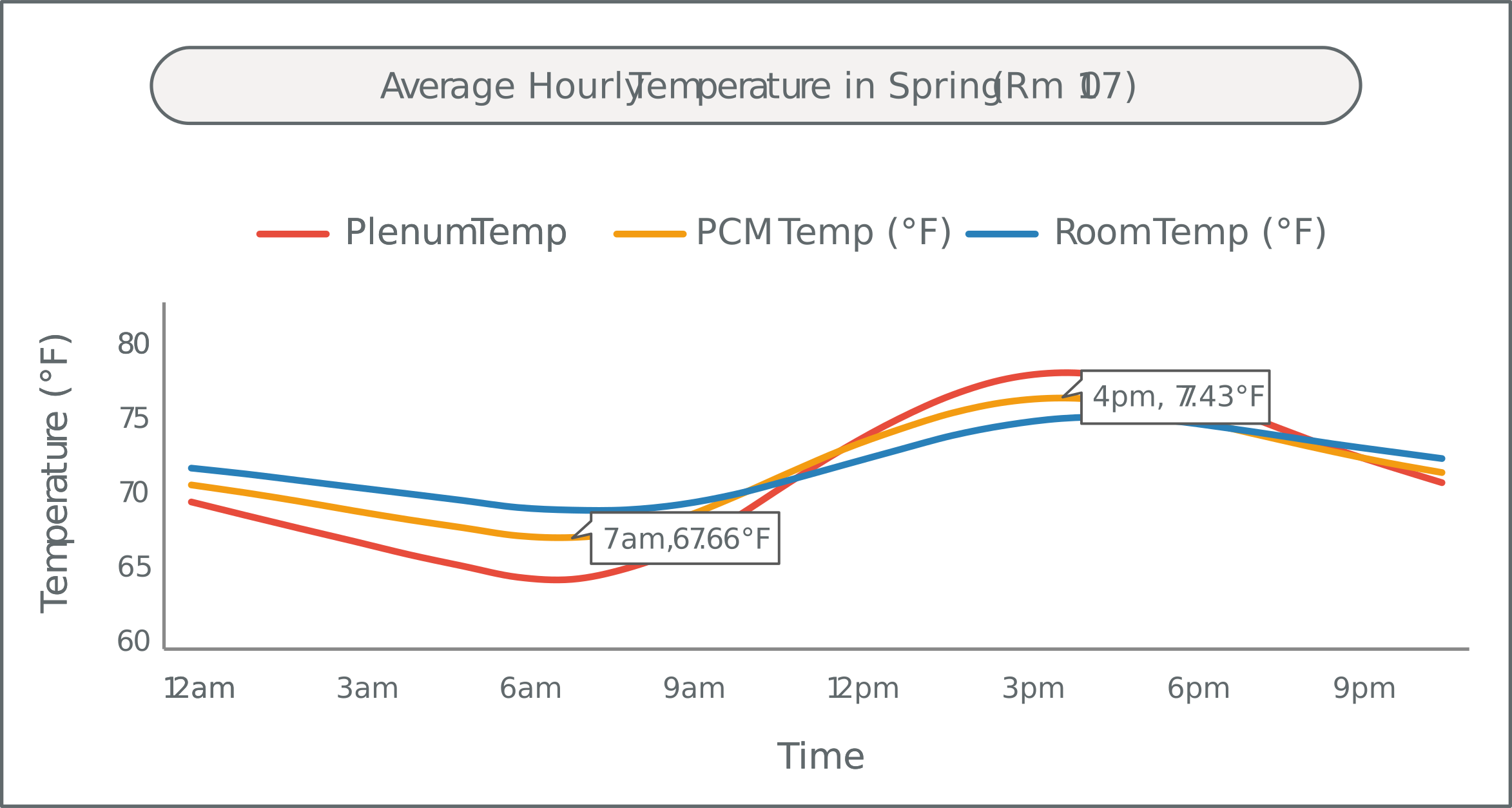
The PCM in Templok® ceilings naturally cycles with the outdoor temperature to passively moderate the indoor classroom environment. This chart shows the classroom temperature remaining relatively stable while the PCM temperature cycles significantly to absorb the ambient heat (Fig. 1).
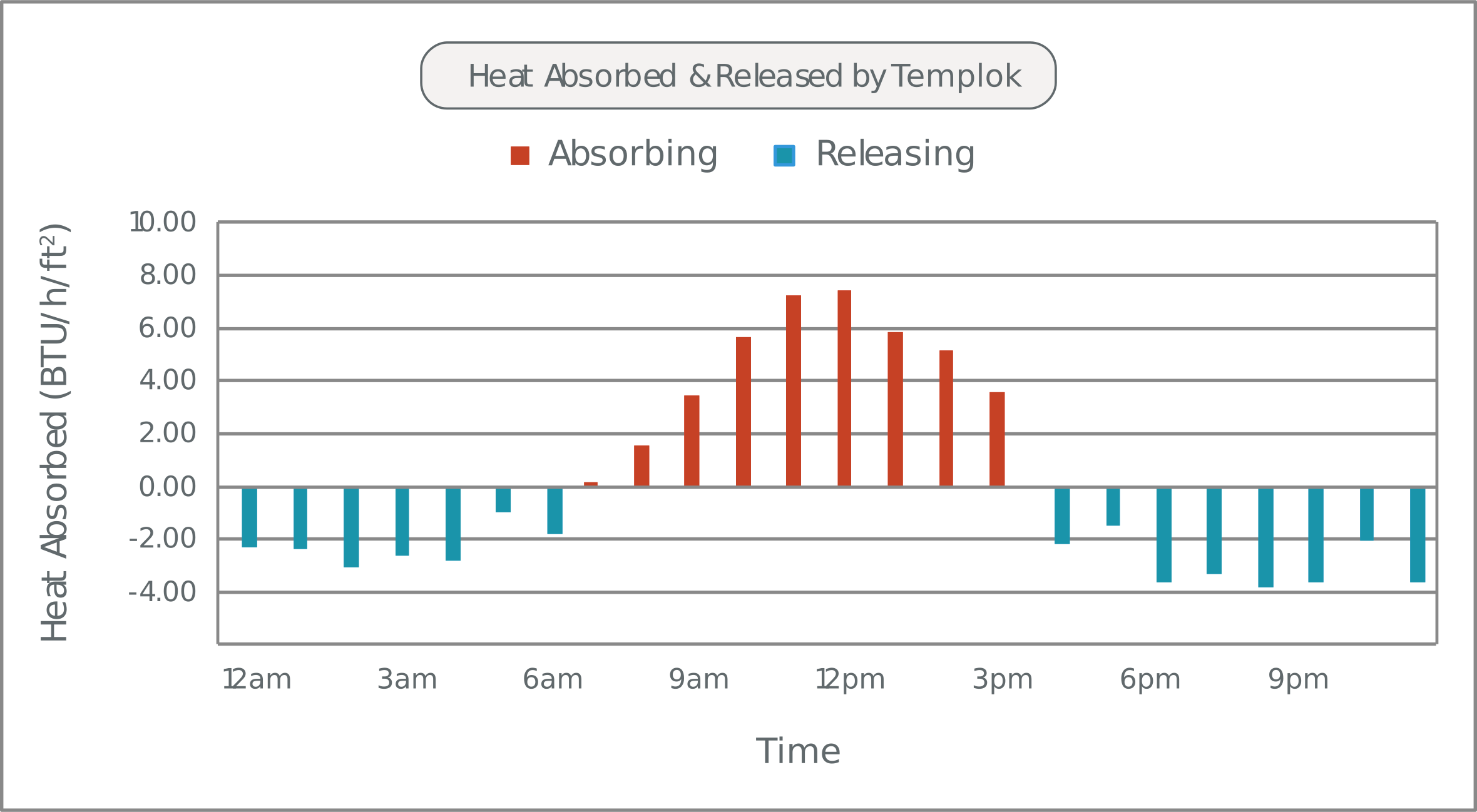
Templok® ceiling tiles absorb peak heat loads during the middle of the day to reduce the burden on the HVAC system. This chart shows a peak heat absorption rate of approximately 7 BTUs/ hour/SF occurring around noon. These heat flows were measured with sensors attached directly to the tiles to monitor performance (Fig. 2).
Conclusion
The installation of Templok® ceiling tiles provided a highly effective, passive solution to the extreme temperature swings at this elementary school. By reducing the peak cooling load, the facility improved student comfort while saving valuable HVAC energy. For facility managers facing similar climate challenges, this drop-in retrofit offers a proven strategy for thermal management